Celebrating Pollinator Month: How My Back Yard Became More Than a Vegetable Garden
A garden can be much more than a collection of plants. It can be an ecosystem full of biodiversity.

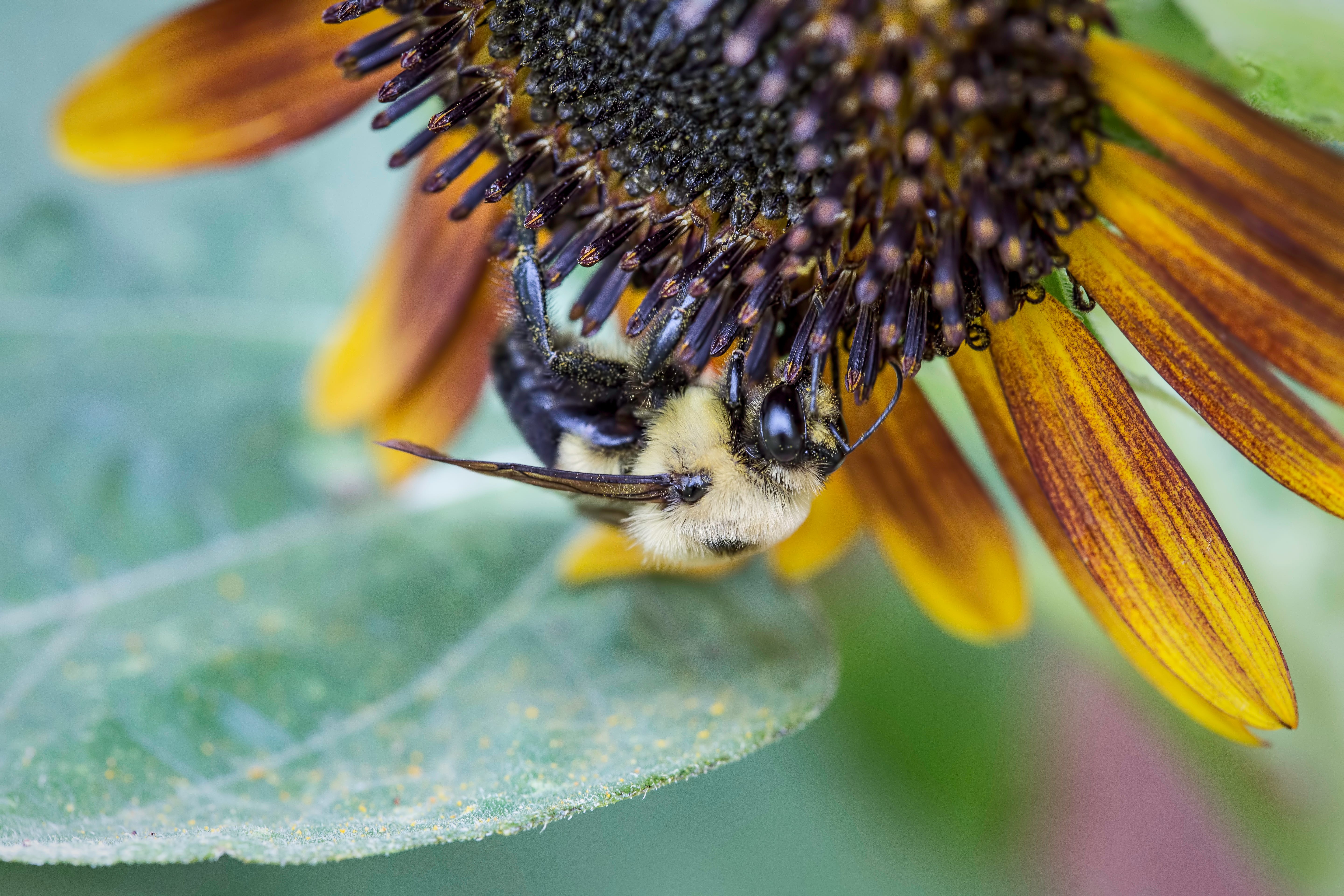
June is National Pollinator Month in the United States. For gardeners, Pollinator Month is essentially a month-long reminder that the work we do in our gardens matters.
And while I’ve spent years growing food in my backyard, that’s not what first comes to mind when I think about my garden today.
When I started gardening, my focus was entirely on vegetables. I loved the idea of growing my own food, stepping outside to gather ingredients for dinner. I still do. There is something deeply satisfying about growing food for yourself and your family.
But somewhere along the way, my passion changed a bit.
As I spent more time in the garden, and grew more plants, I began noticing the insect visitors. Yes, that meant lots of tiny critters doing damage to my plants but as I researched these “pests” as I called them back them, I actually fell in love with them and now consider them partners.
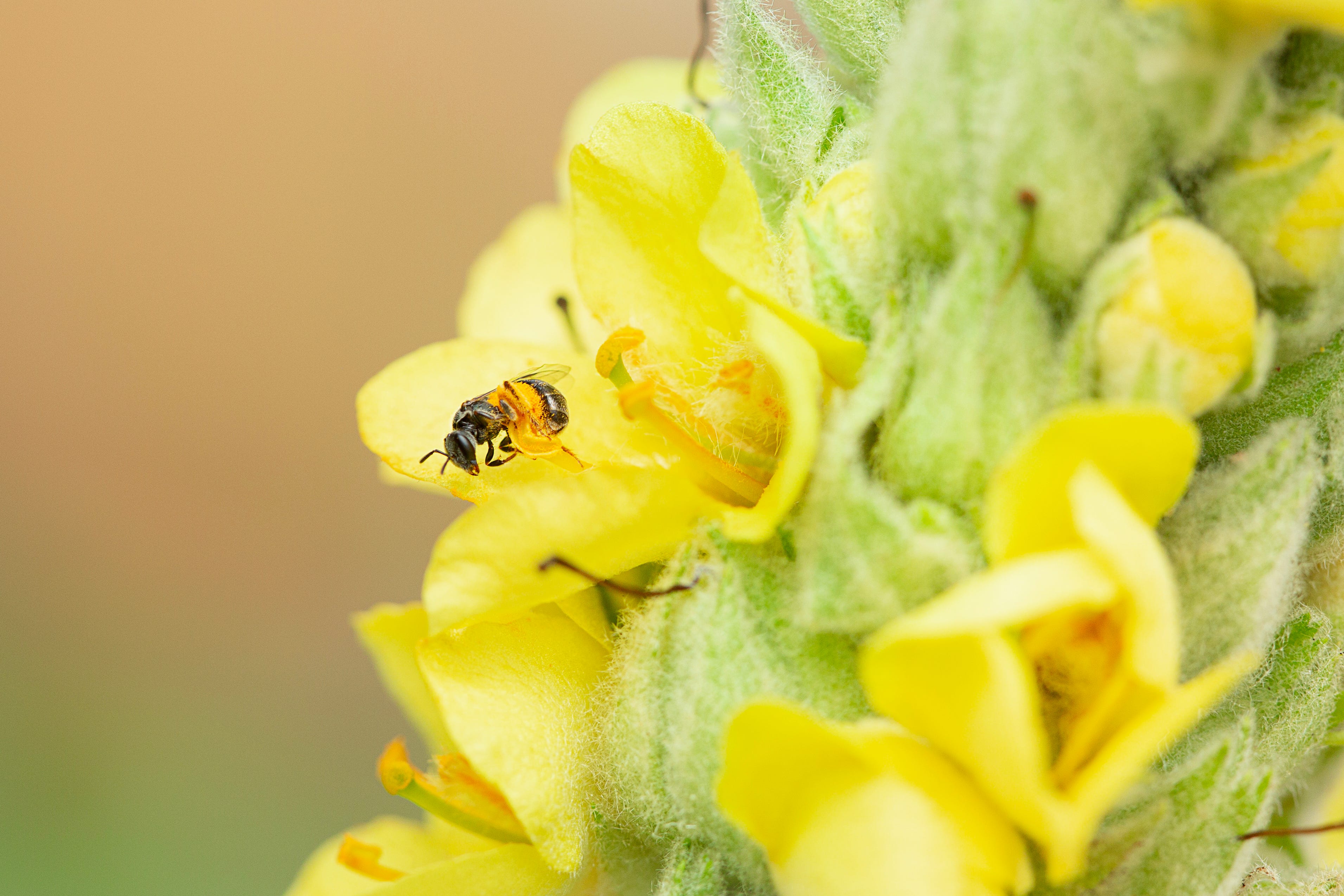
Over time, the garden became more than a place to grow food. It became a place to observe life.
Today, while I still grow vegetables and herbs, much of my gardening is done with wildlife in mind. The plants I choose aren’t just for me. They’re for the countless insects, birds, amphibians, and other creatures that share this space.
Over the years I’ve written about many of the simple ways gardeners can support pollinators and other beneficial insects:
🐝 Leave nesting habitat for native bees by preserving patches of bare soil, hollow stems, and brush piles.
🦋 Grow host plants for butterflies and moths, not just nectar plants. Adult butterflies need flowers, but their caterpillars need specific plants to survive.
💧 Provide shallow water sources where insects can safely drink.
🚫 Reduce or eliminate pesticide use whenever possible.
🍂 Leave stems, seed heads, and leaf litter standing through winter to provide shelter for overwintering insects.
These practices may not always produce the tidiest garden, but they create something far more valuable and that’s habitat.
If you’re looking for ways to support pollinators this season, here are a few articles from my archives that might inspire you.
Host Plants: Feeding the Butterflies
When it comes to pollination, butterflies may not be as efficient bees, but they are certainly among the most beloved visitors to the garden. One of the best ways to support them is by planting the host plants their caterpillars require.
If you’d like to learn more, you might enjoy these articles I shared based off my experiences in my backyard garden.
» Growing pipevine from seed for pipevine swallowtail caterpillars
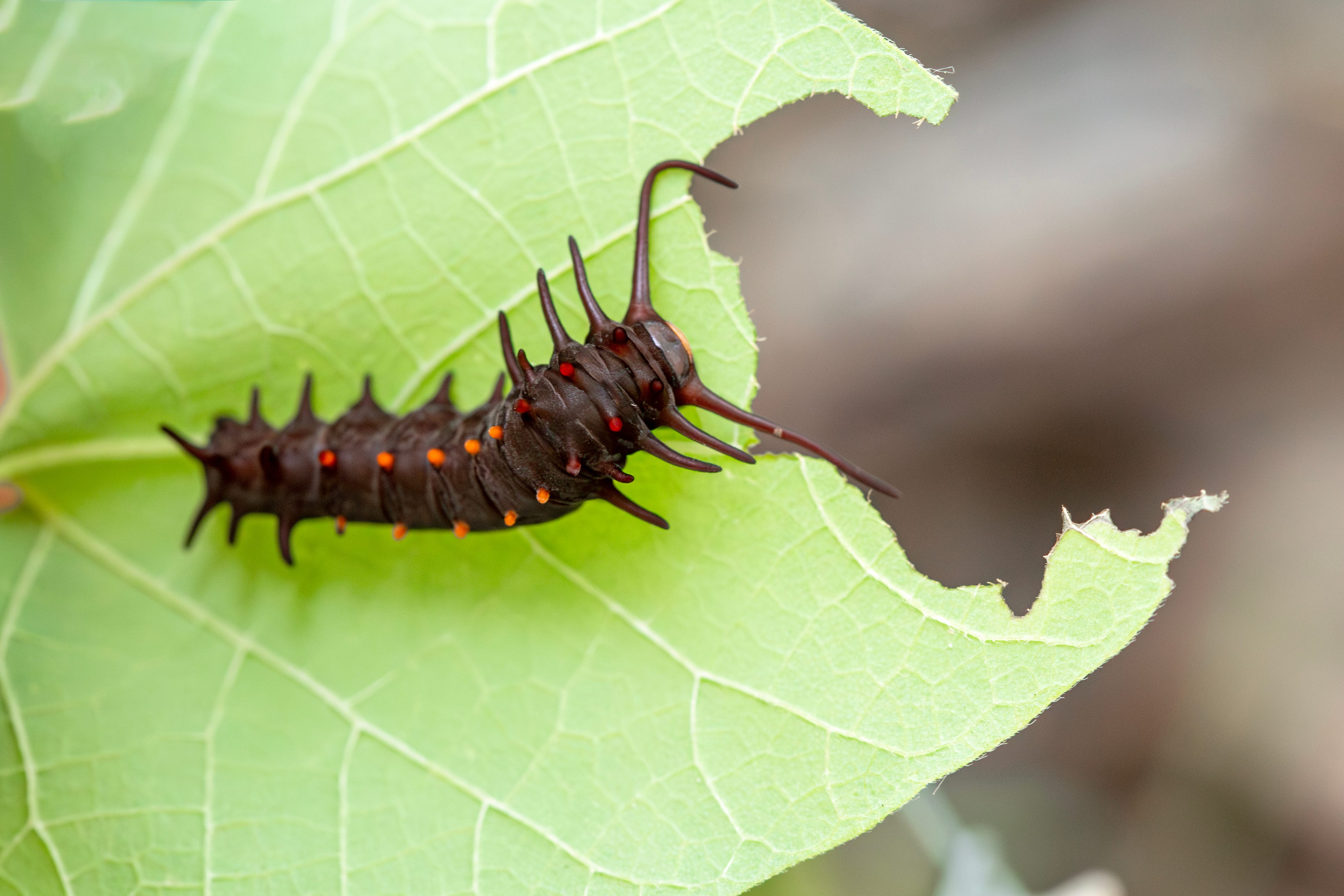
» Growing Passionflower vine for the Gulf fritillary butterfly
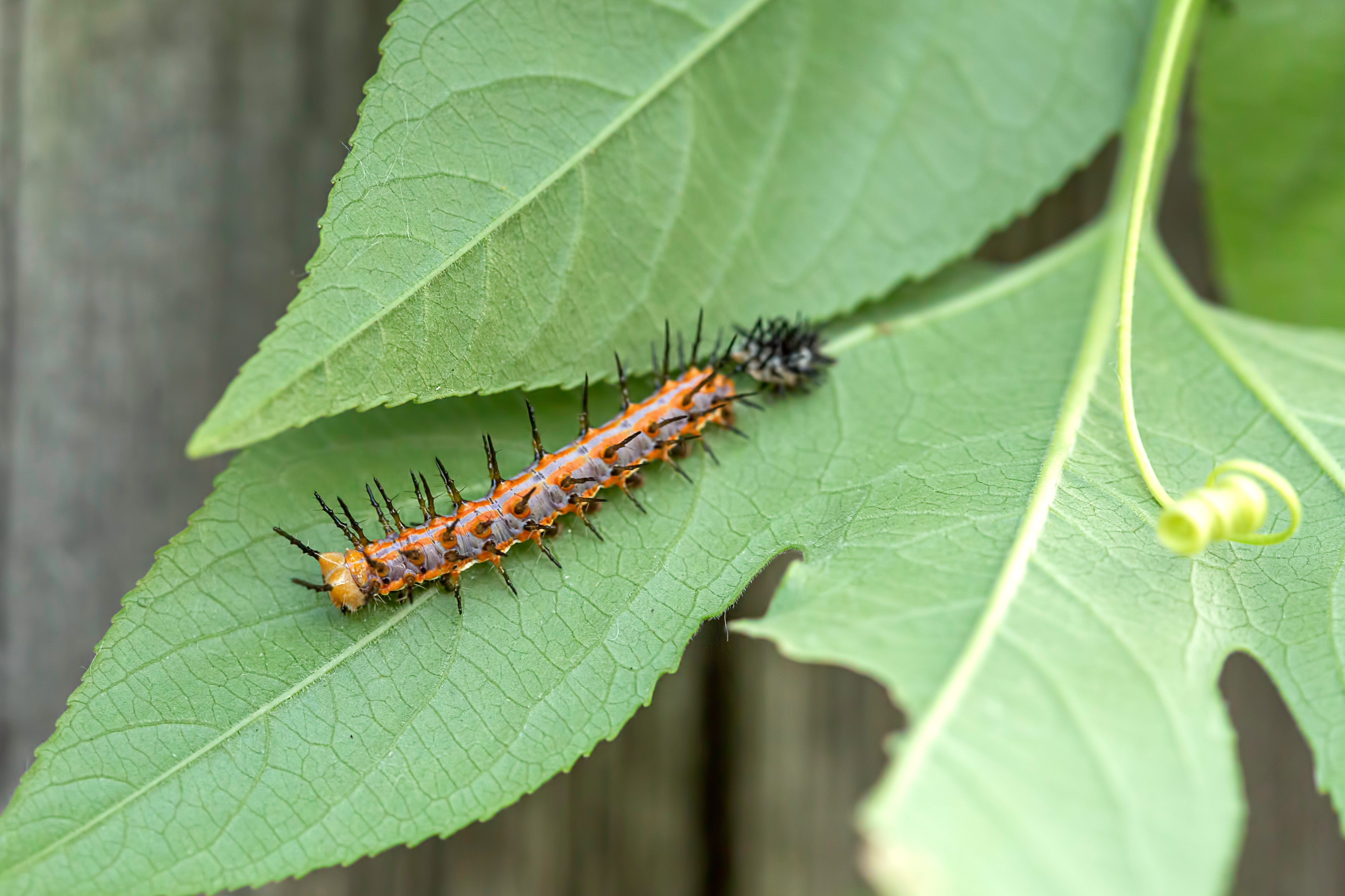

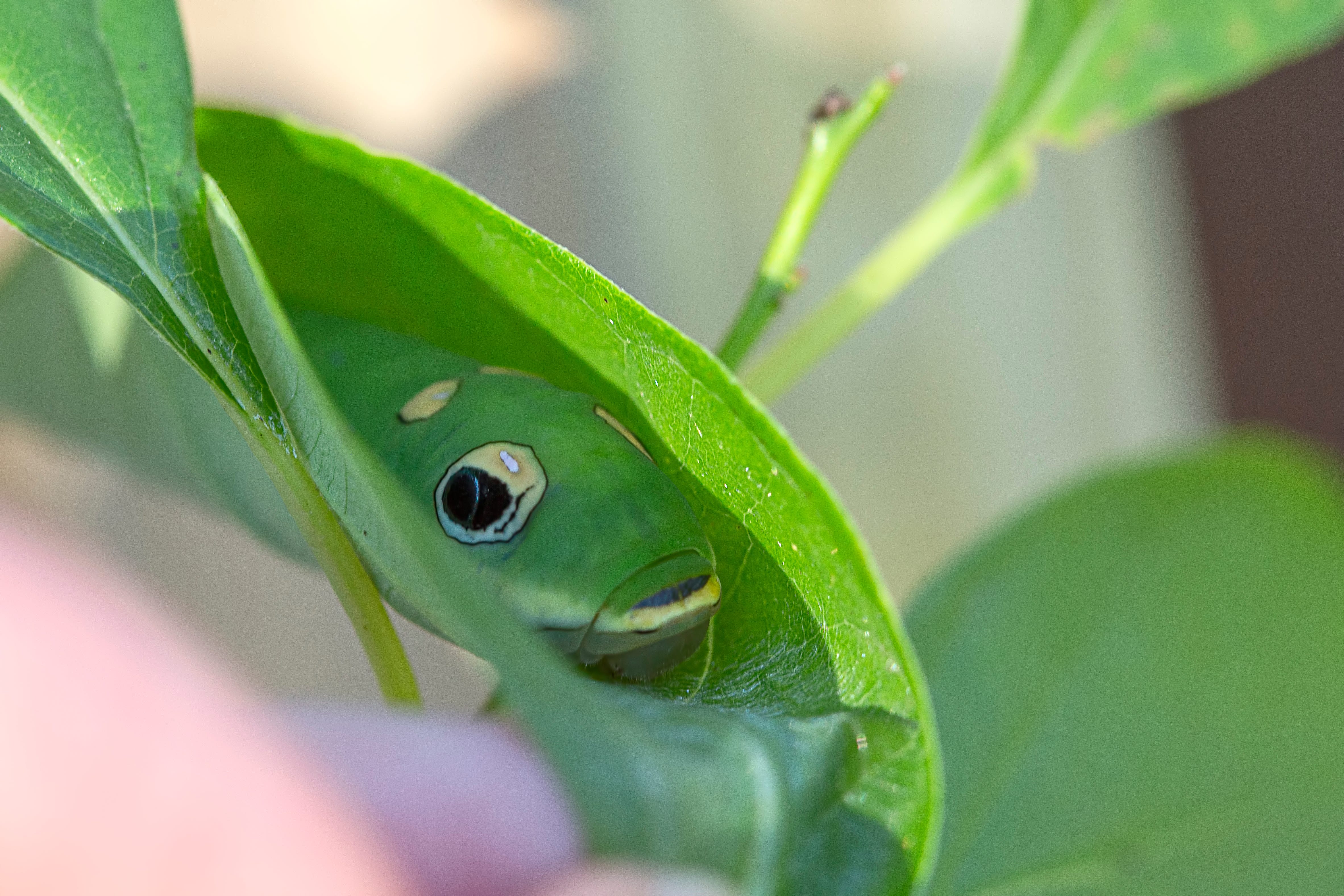
These are just a few examples. Host plants provide something nectar alone cannot: a place for butterflies to complete their life cycle.
Milkweed: More Than Monarchs
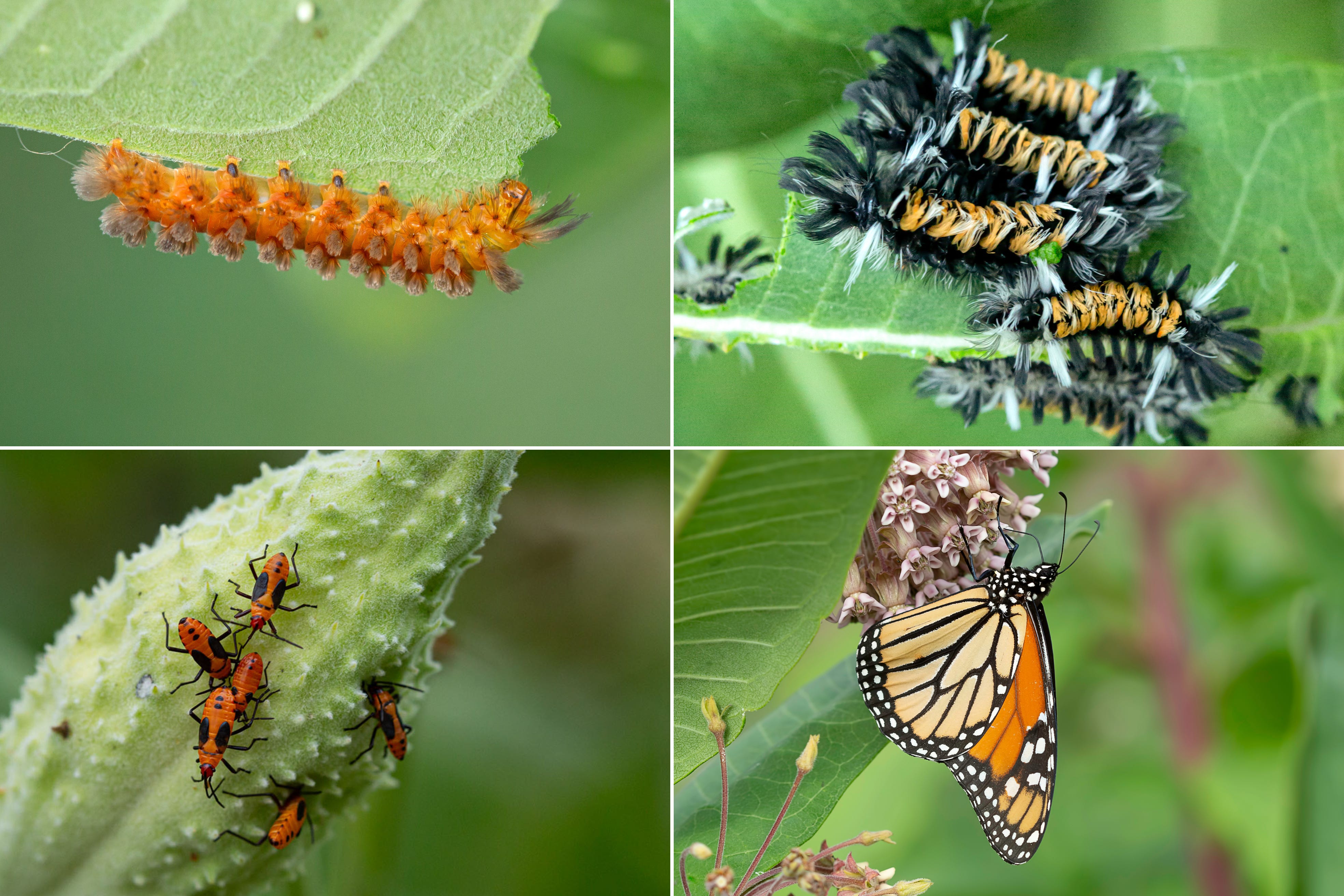
When people think of milkweed, they usually think of monarch butterflies.
Monarchs certainly deserve the attention, but milkweed supports far more than a single species. Over the years I’ve photographed milkweed bugs, milkweed beetles, tussock moth caterpillars, native bees, wasps, hoverflies, and countless other insects visiting, eating, or utilizing these plants in some way.
That’s what inspired me to write about milkweed’s super power as a biodiversity plant. It serves as a reminder that when we plant for one species, we often end up supporting dozens more.
» Milkweed’s Super Power | More Than Monarchs Rely On this Plant
A Different Way to Think About Wasps
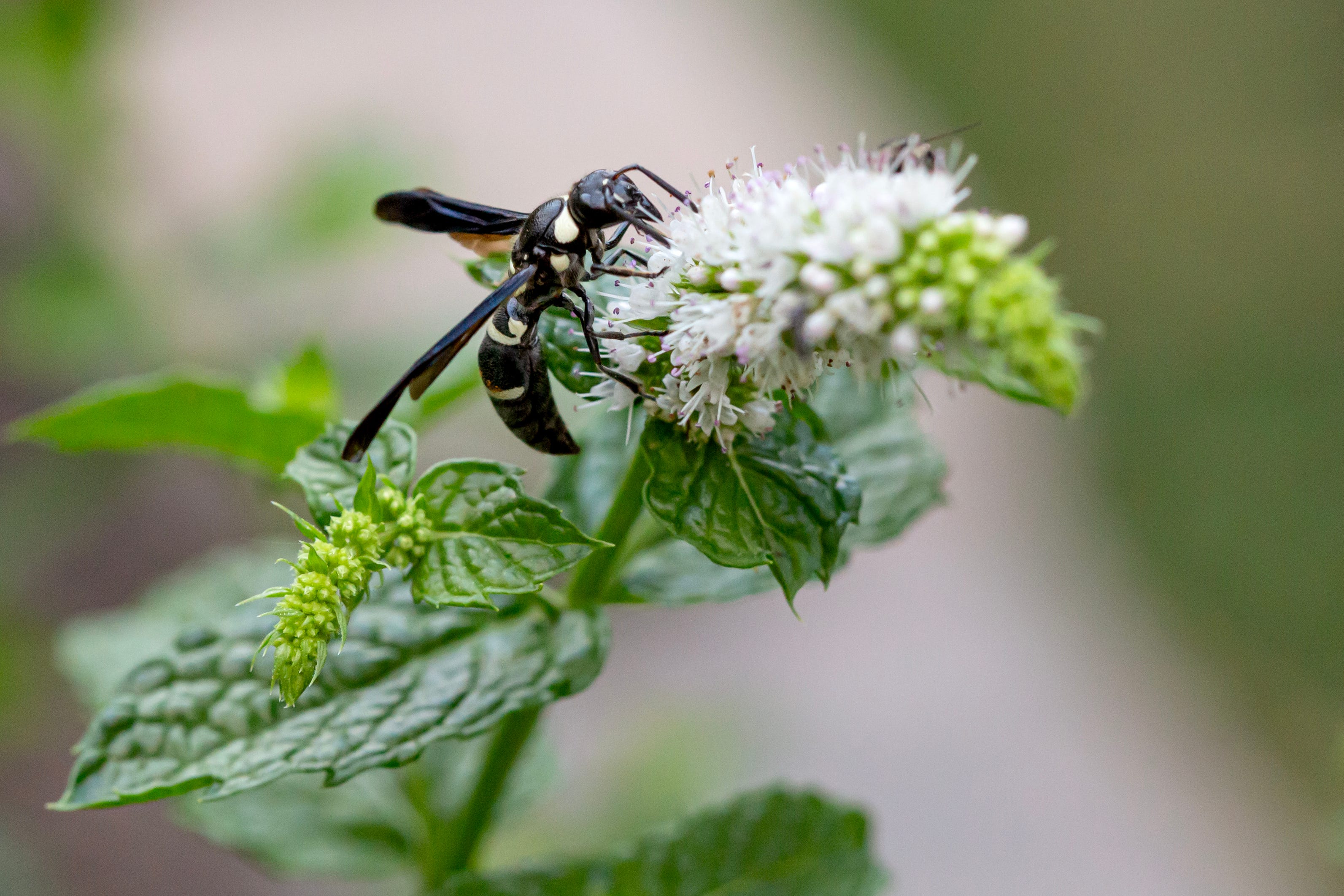
Few insects are as misunderstood as wasps.
Many gardeners are surprised to learn that numerous wasp species are pollinators, predators of garden pests, or both. While writing for my friend Alisons’ gardening blog over at CanningCrafts, I shared some of the reasons I have learned over the years that wasps deserve a second look and why they play an important role in healthy ecosystems.
The more closely I observe insects, the more I find that many of our fears come from not understanding what we’re seeing.
» Wasps: the Unsung Heroes of the Garden
Taking Habitat One Step Further
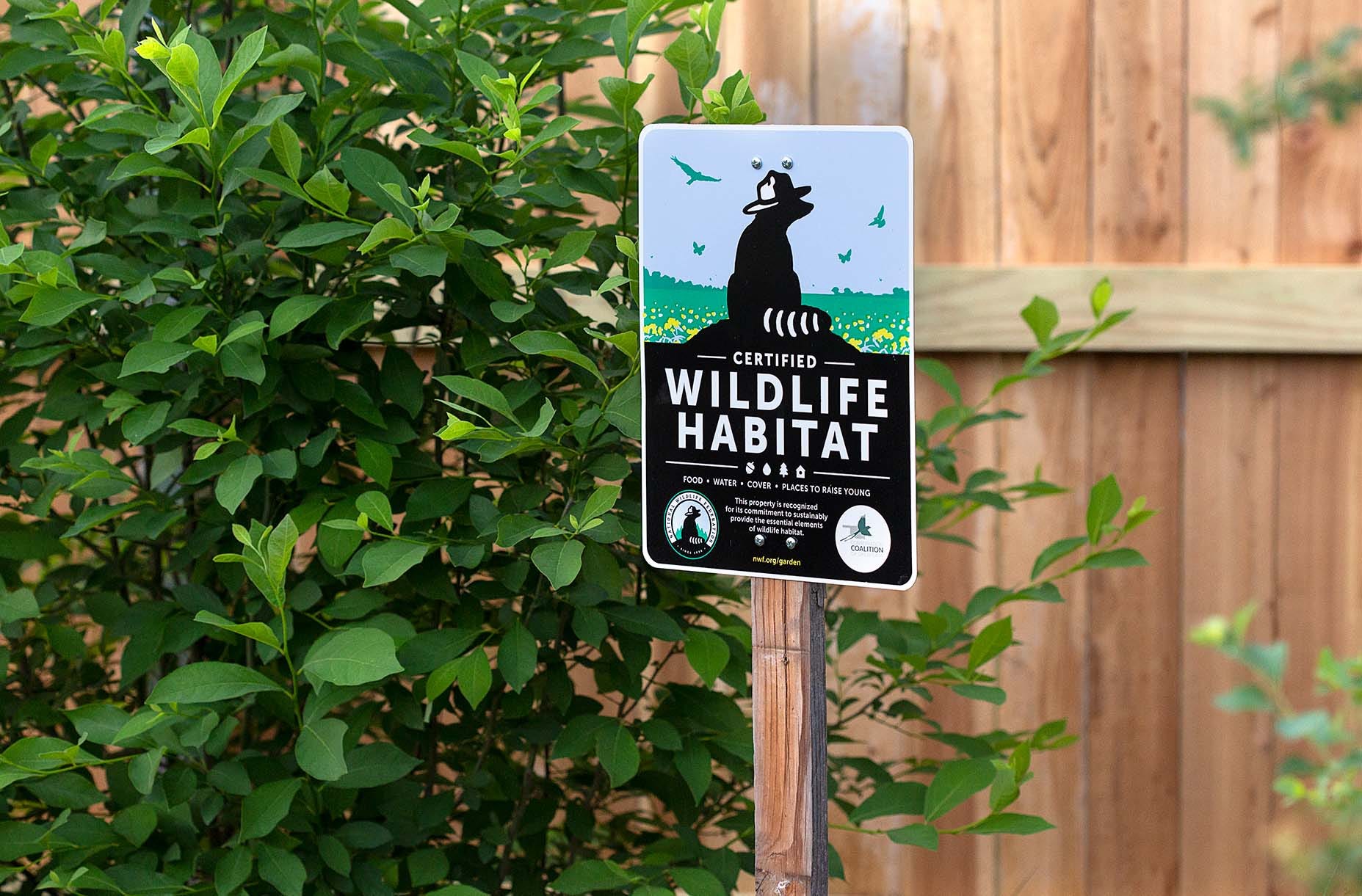
Eventually, my interest in pollinators led me beyond individual plants and insects and toward a larger question: How can an entire yard function as habitat?
That journey led me to create a Certified Wildlife Habitat through the National Wildlife Federation. The certification process encouraged me to think about food, water, cover, places to raise young, and sustainable gardening practices as interconnected pieces of a larger ecosystem.
What began as a vegetable garden gradually became a place where wildlife could find refuge. And that’s what Pollinator Month means to me now.
» Here are the steps I took to certify my garden and property as a wildlife habitat.

And finally, before I sign off, I want to acknowledge that June is also Pride Month.
One of the things I love most about nature is that it’s full of diversity, in color, form, behavior, and life itself. Every flower, insect, bird, and creature has its own role to play in the ecosystem, and together they create something far more beautiful than any one of them could alone.
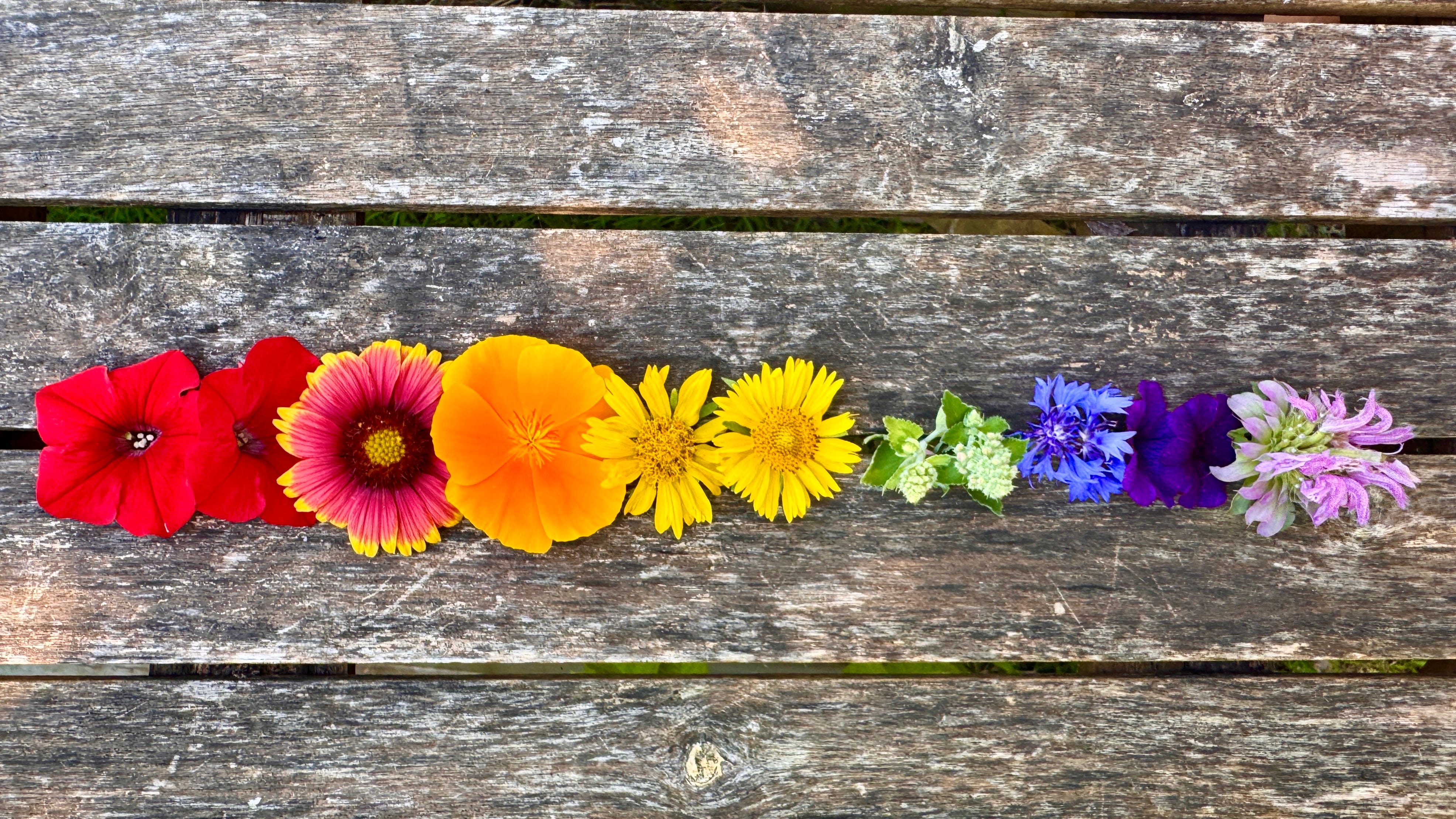
I made the flower rainbow pictured below using blooms gathered from my garden. It felt like a beautiful way to honor the spirit of what Pride stands for.
Happy Pride Month, friends. 🌈💐